

Advancing Science, Supporting Farmers, Shaping the Future
Founded in 1974, KAHA Research Station has been at the forefront of agricultural research for over five decades. As a strategic pillar in Syngenta’s Global Research Network, KAHA has played a crucial role in developing innovative crop protection technologies that benefit both farmers and researchers worldwide.
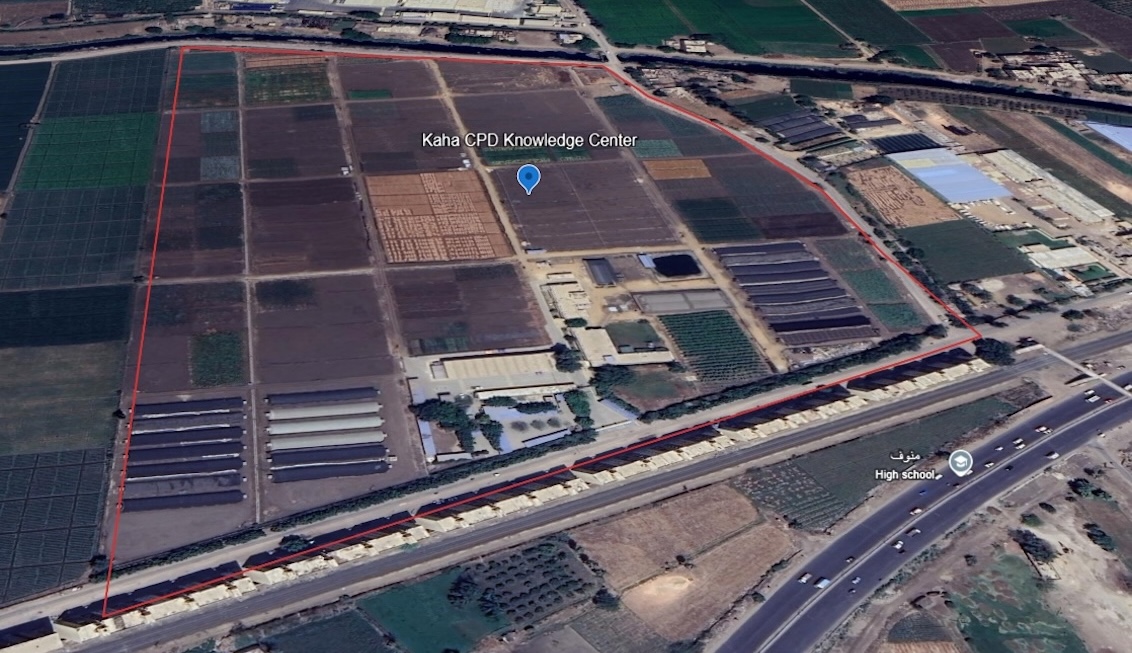
State-of-the-Art Facilities

Spanning 20 (18.7 exactly) hectares, KAHA is home to a world-class research infrastructure. The station includes thirteen specialized laboratories equipped for studies in entomology, plant pathology, and crop resistance. Five multispan greenhouses provide controlled environments for testing new agricultural solutions, while dedicated rearing facilities support research on twelve key insect species. Large field trial areas allow for real-world validation of innovations, ensuring practical solutions for modern agriculture.
Contributions to Agricultural Innovation
KAHA has played a major role in the development of several groundbreaking crop protection technologies. The research station contributed to the advancement of ELESTAL™, an industry-leading insecticide, as well as TYMIRIUM™, a breakthrough in nematode control and soil-borne disease management. Additionally, KAHA was involved in the development of PLINAZOLIN™, a game-changer in long-lasting insect control, and PLESIVA™, a revolutionary plant protection solution. These innovations have significantly improved global farming practices, enhancing productivity and sustainability.

The People Behind the Science
KAHA is not just about research facilities—it’s about the people who drive innovation forward. A highly skilled team of agronomists, and researchers work tirelessly to develop new solutions that shape the future of agriculture. Their dedication, expertise, and collaborative efforts ensure that KAHA remains a leader in agricultural research.

Connect with us
Follow us on social media for the latest news, updates, and stories!


