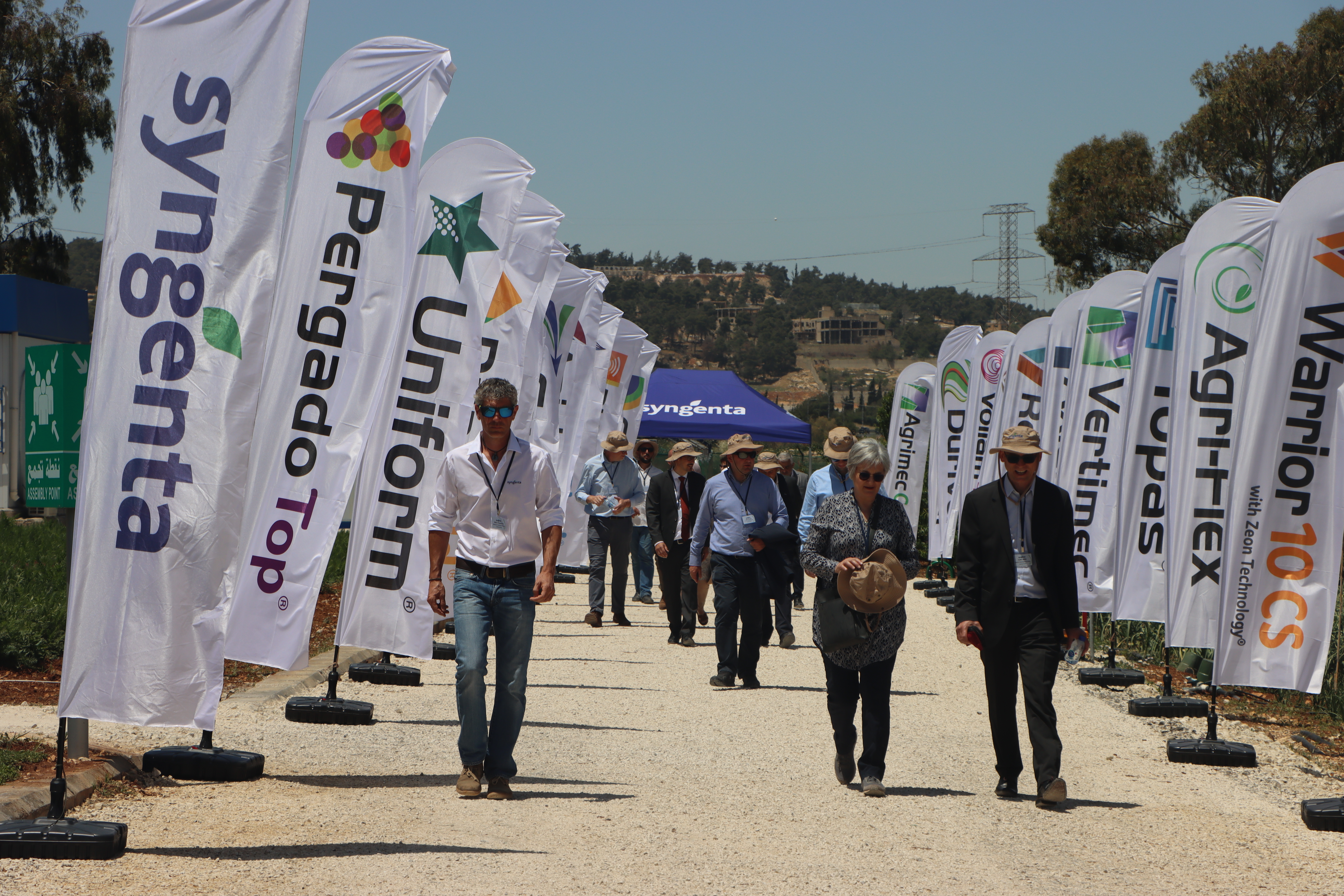
Recognizing the strategic importance of the Middle East as a major producer and exporter of agricultural crops, Syngenta established the Crop Protection Development Knowledge Center in 2020. Officially inaugurated by the Jordanian Minister of Agriculture, the center reflects Syngenta’s commitment to advancing sustainable agriculture across the region—including the Gulf countries, Iraq, the Levant, Iran ,Sudan and Ethiopia.
Located in Jordan due to its climatic similarity with many surrounding countries, the center serves as a regional platform for research, training, and knowledge exchange. Spanning 4 hectares, it is equipped with state-of-the-art infrastructure to support applied trials, farmer training, and technical development in crop protection.
Key features of the center include:
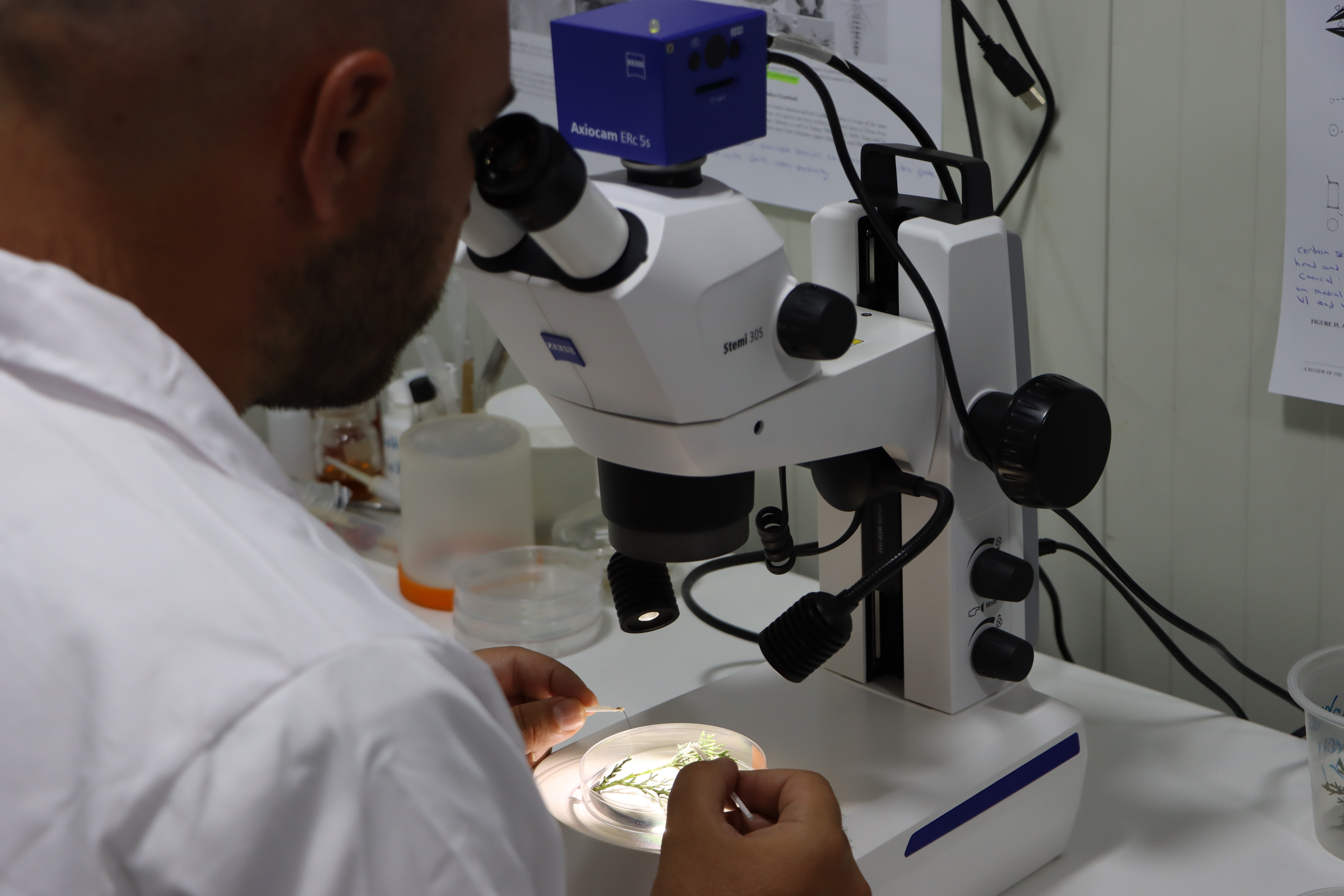
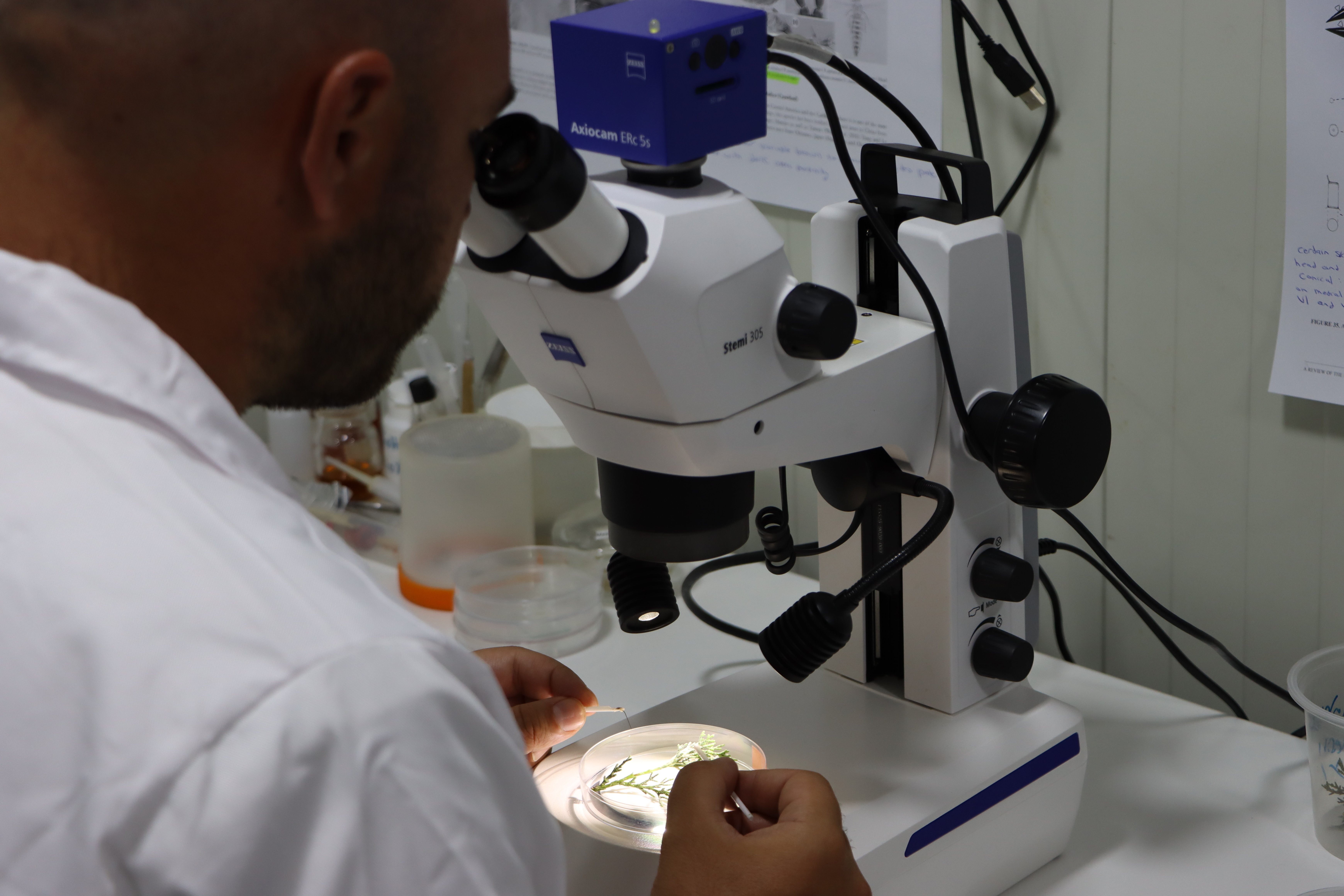
- A pest diagnostics laboratory for isolation and identification of agricultural pests.
- Training facilities focused on:
- Safe use and application of pesticides (including the 5 Golden Rules).
- Chemigation, calibration, and application quality.
- Pest control strategies tailored to various crops.
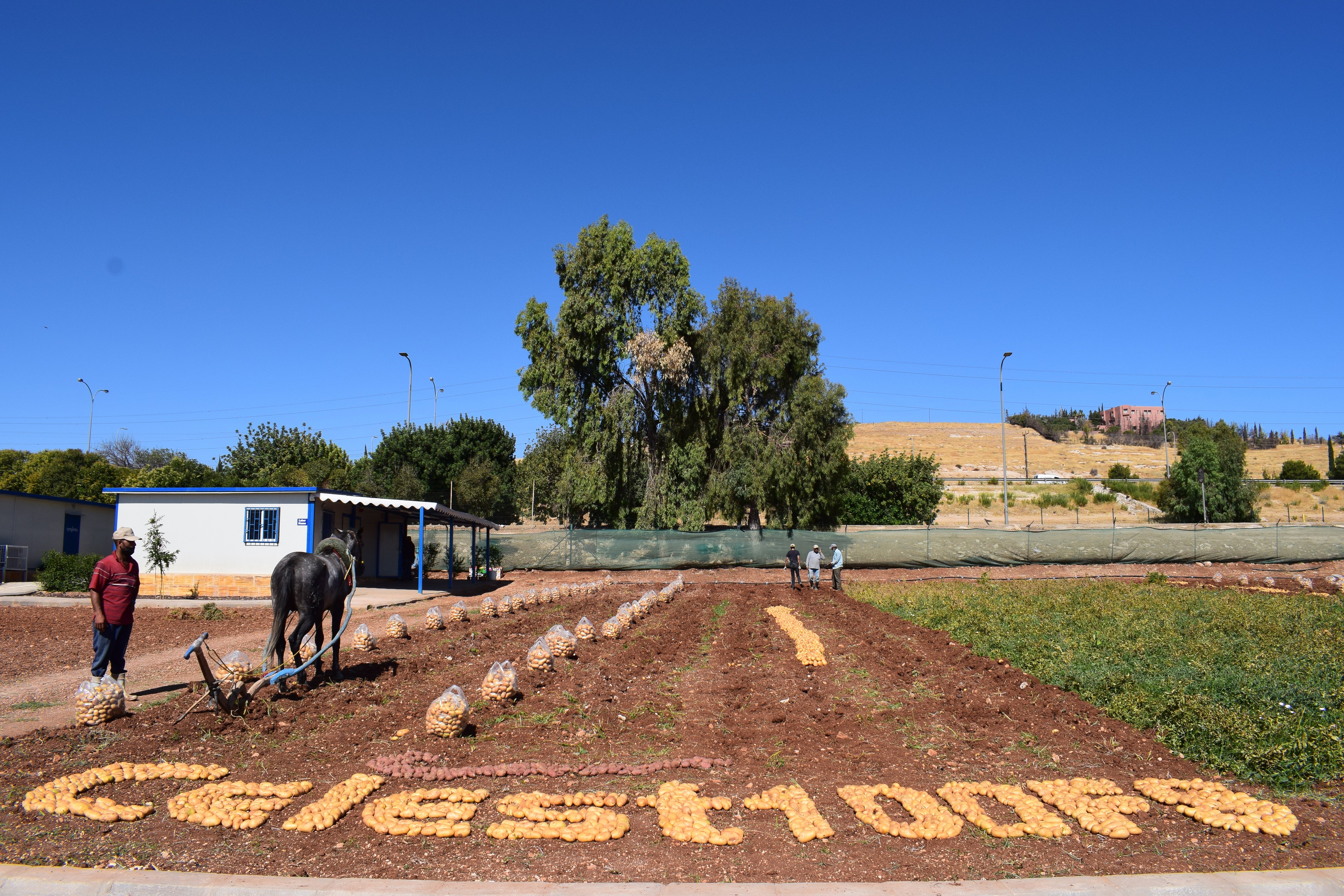
- Diverse cultivation fields include:
- Plastic tunnels (3,000 m²),
- open fields (24,000 m²)
- A heated multi-span greenhouse (700 m²) for year-round planting.
- A 4,000 m² fruit trees orchard with 20 varieties belonging to different 8 fruit species.
- A plant protection solutions storage facility compliant with international health, safety, and environmental standards.
- Digital Insect monitoring traps with imaging and communication systems for real-time pest tracking.
- A plant protection solutions disposal station for safe management of excess solutions.
- A semi-automatic irrigation and fertigation system for efficient input management.
Since its launched, the center has conducted extensive field trials to evaluate the performance of Syngenta’s crop protection solutions under local conditions. It also plays a key role in developing integrated pest management (IPM) programs and building the technical capacity of farmers, agronomists, and partners in collaboration with public and academic institutions across the region.
Connect with us
Follow us on social media for the latest news, updates, and stories!